Pretend play is serious work: the science of make-believe
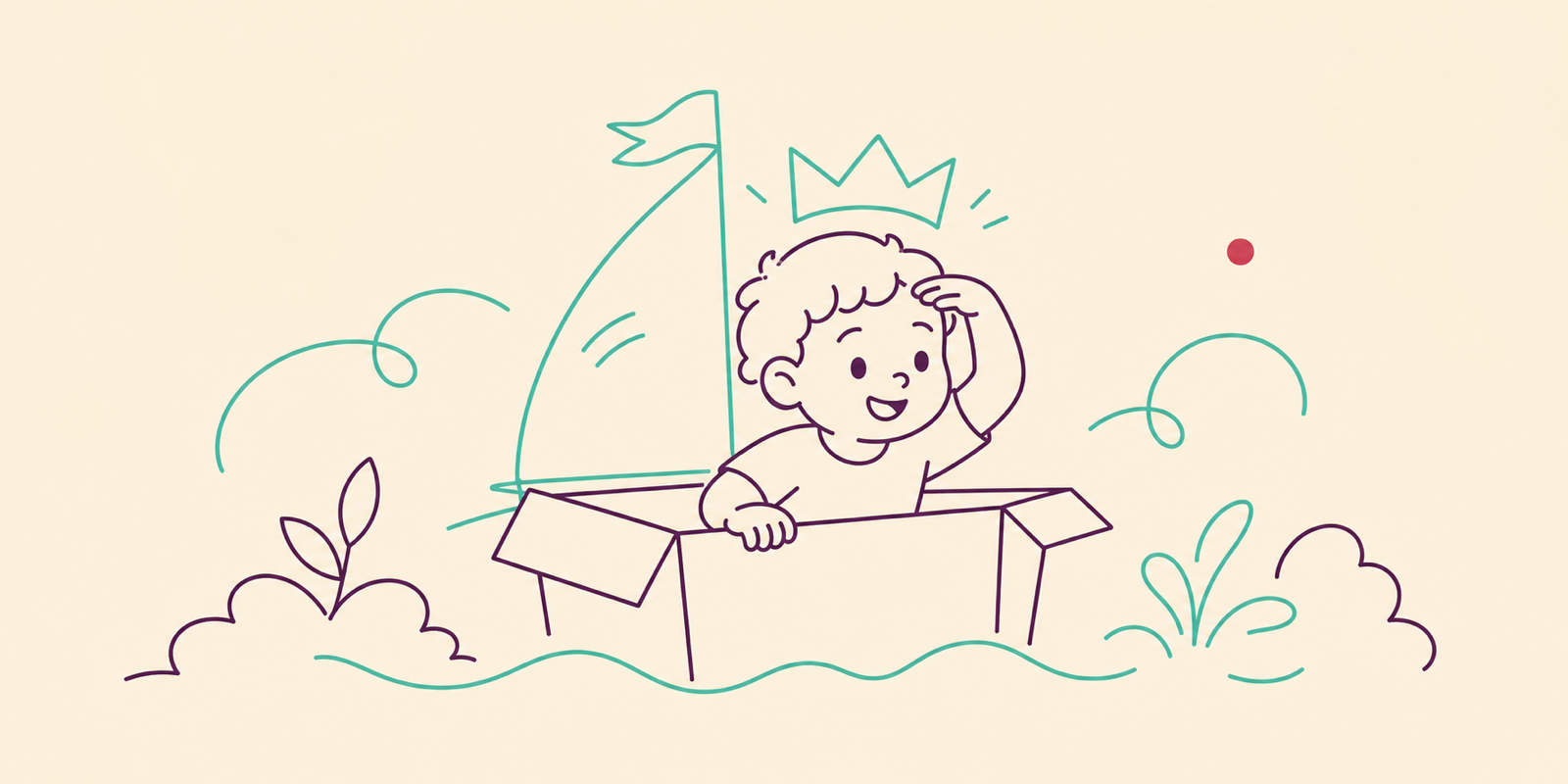
A toddler feeding a teddy bear or “talking” into a banana looks adorable and slightly silly. It’s also one of the richest cognitive workouts a young brain gets.
The science of make-believe
Symbolic play — letting one thing stand for another — usually emerges in the second year and blooms after age two. To pretend a block is a phone, a child has to hold an idea in mind that overrides what’s in front of them. That’s a direct rehearsal for abstract thought. Pretend play is also linked to theory of mind (understanding that others have their own thoughts and feelings), language growth, and self-regulation. The developmental psychologist Vygotsky argued that in pretend play a child “stands a head taller” than themselves — doing things they can’t yet do in real life.
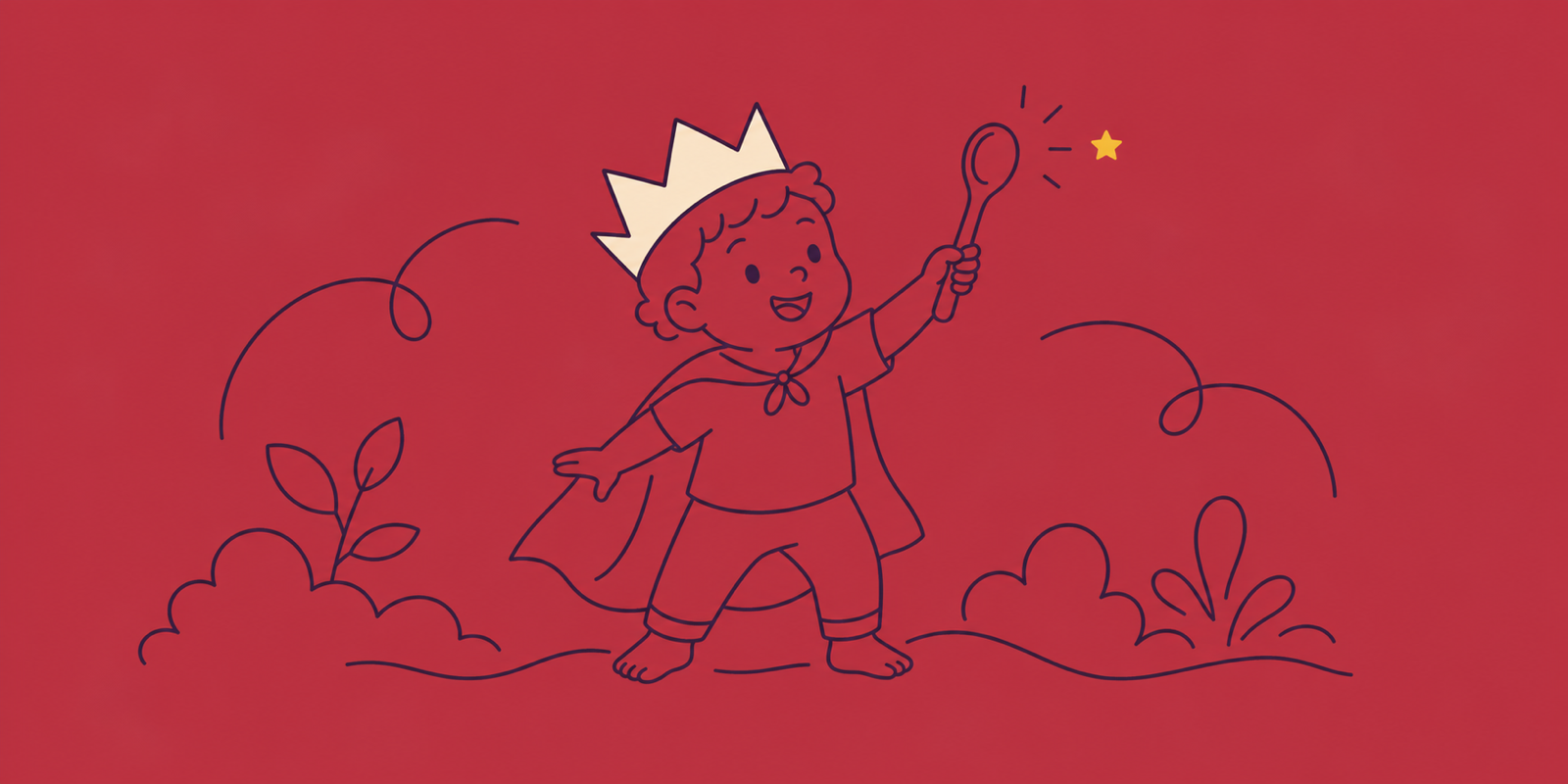
Pretending the spoon is a rocket is the same skill that later lets a child imagine a number, a plan, or another person’s point of view.
Try this today
- Stock a few open-ended props: a doll, toy food, a blanket, some cups.
- Join in and follow their lead — drink the “tea,” then ask “is it hot?”
- Offer simple story starters: “the bear looks sleepy — what should we do?”
Educational content, not medical advice. toddcovery does not diagnose. If something about your child’s development worries you, your pediatrician is the right first call.