Boredom is a feature: why you don’t have to entertain them
You are not your toddler’s cruise director. That sentence tends to land as either a relief or a small panic — and the science is firmly on the side of relief.
Why a little boredom helps
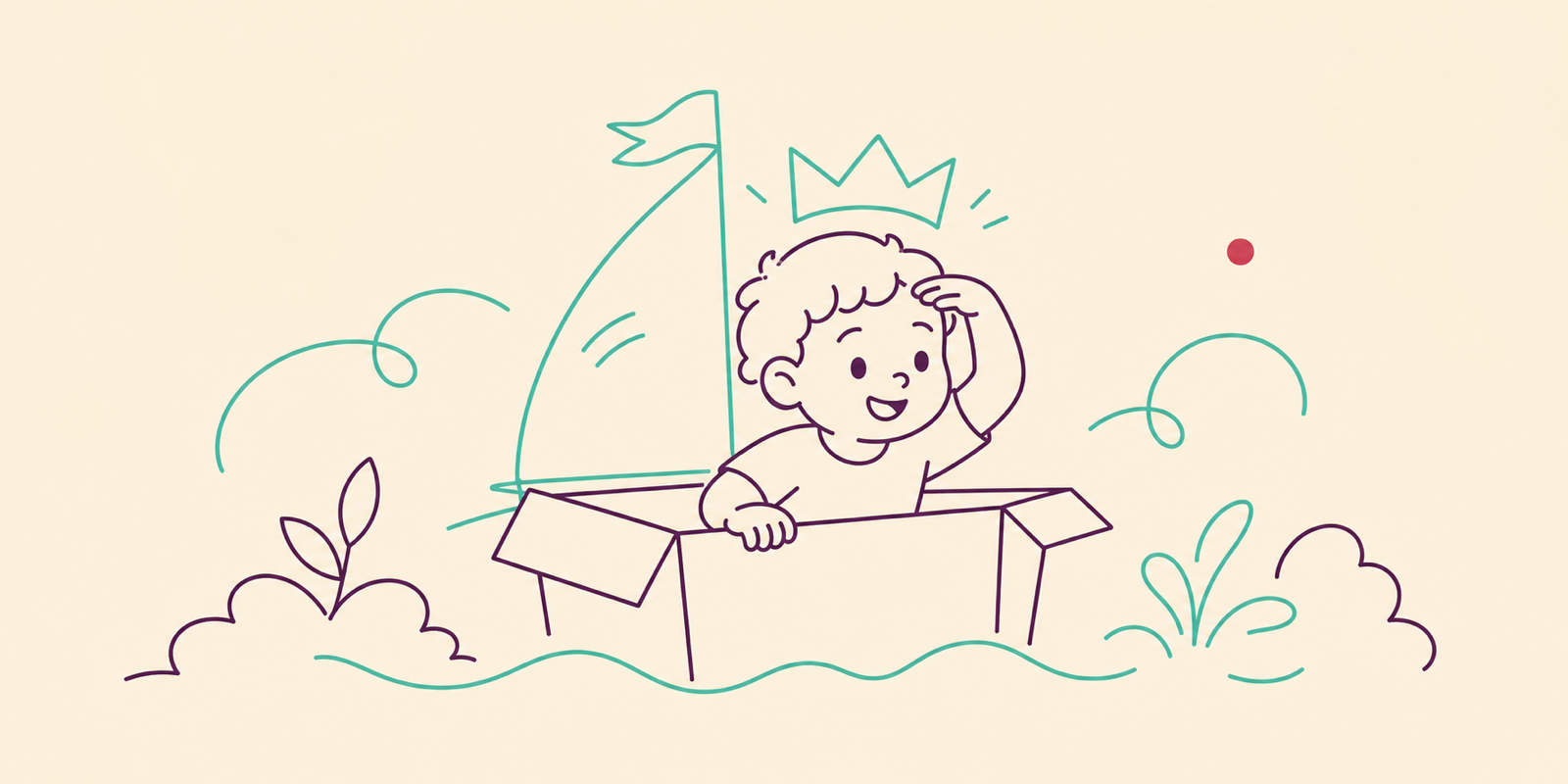
When play isn’t pre-scripted, a child has to generate their own ideas. That blank, slightly restless moment is the launchpad for creativity, intrinsic motivation, and independence. Toddlers who are always entertained get very good at consuming stimulation; toddlers given room to be a bit bored get practice creating it. Over time, the second skill is the one that builds a self-directed kid.
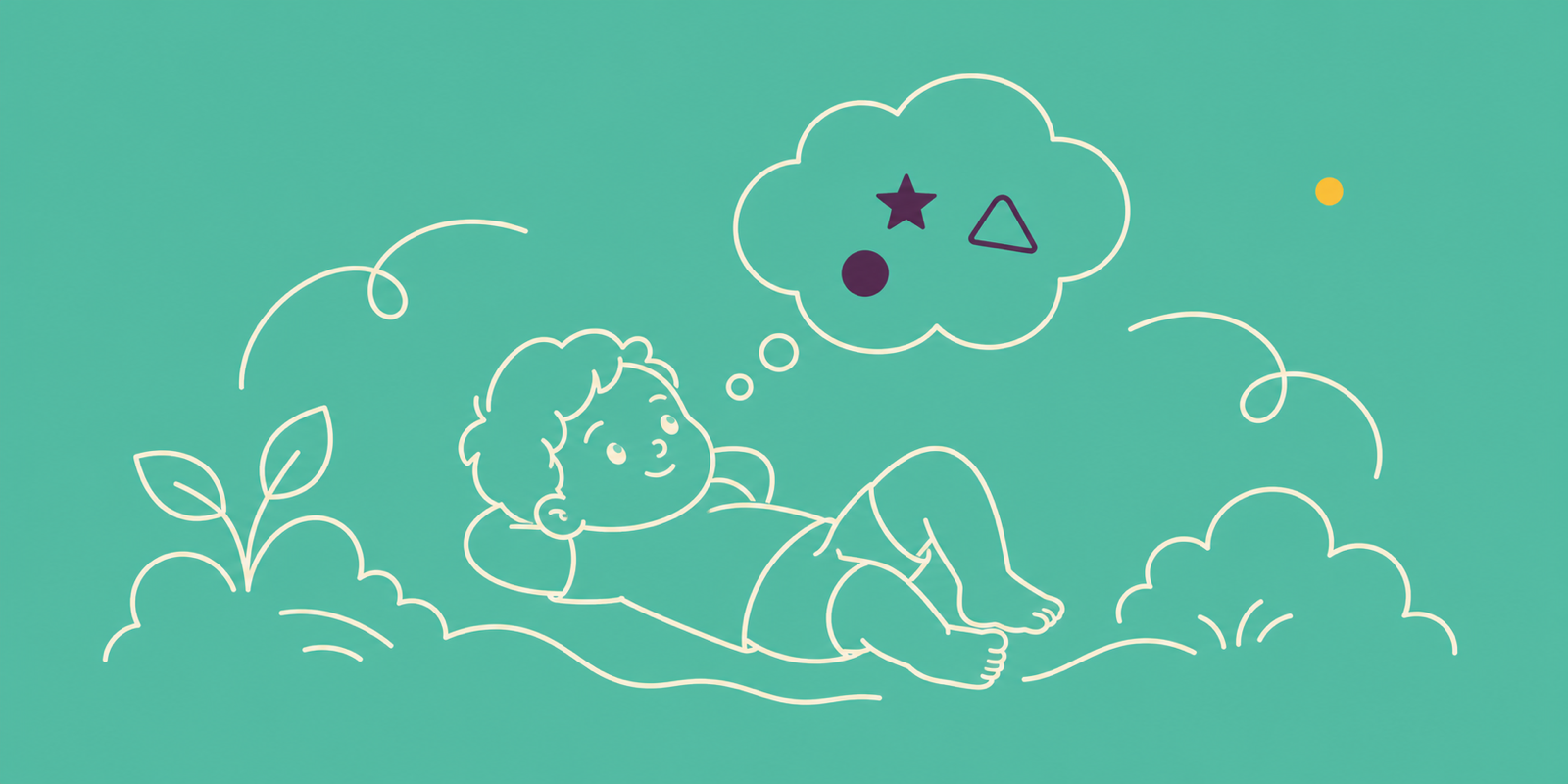
Boredom also teaches a quiet emotional lesson: that uncomfortable feelings pass, and that you can do something about them yourself.
“I’m bored” is not a problem to solve for them. It’s a muscle they’re about to use.
Try this today
- When they’re restless, pause before rescuing. Give it a minute; ideas often arrive in the gap.
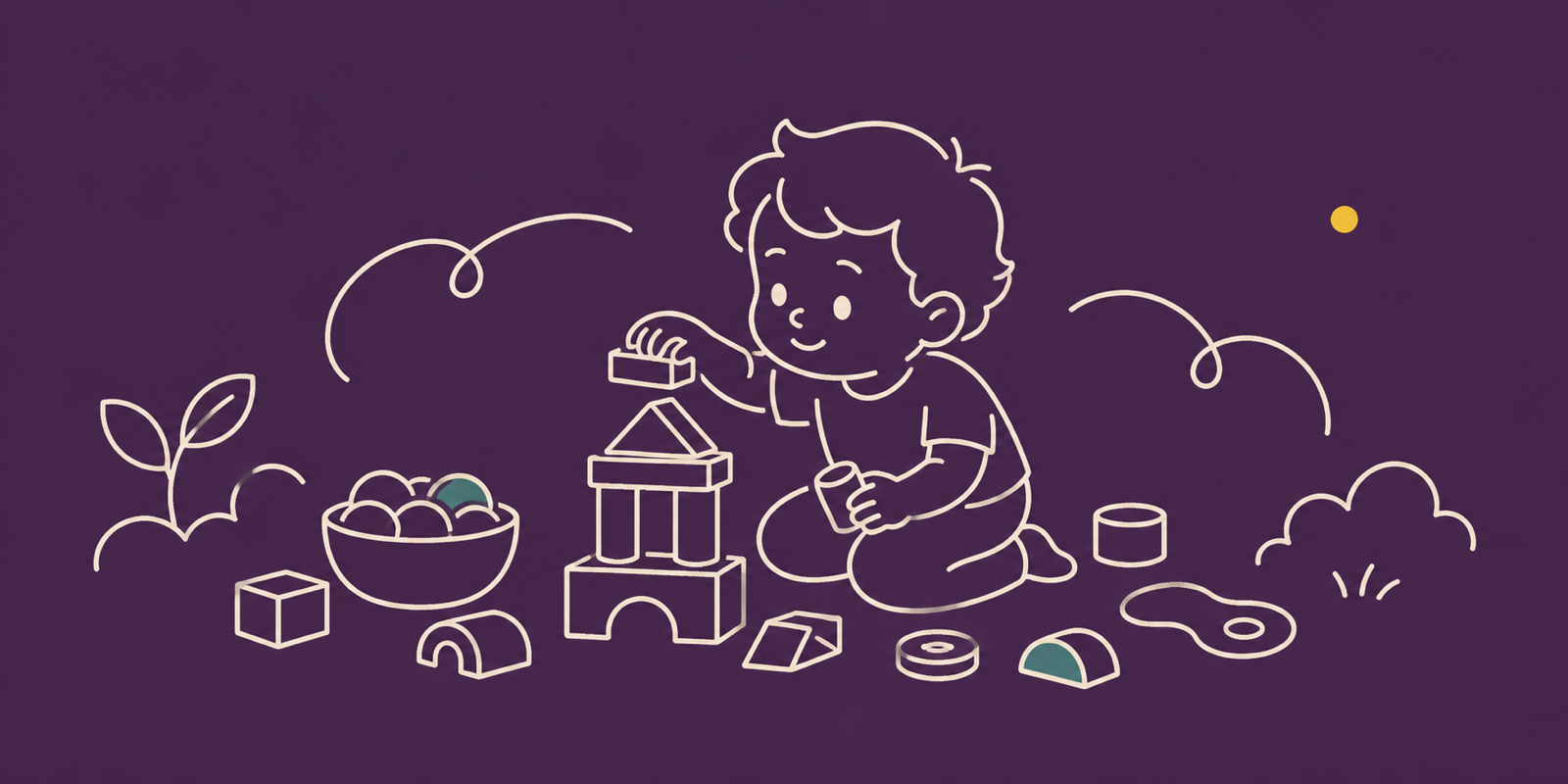
- Offer a spark, not a script: “the blocks are over there,” then step back.
- Keep some unscheduled, screen-free time in the day on purpose.
Educational content, not medical advice. toddcovery does not diagnose. If something about your child’s development worries you, your pediatrician is the right first call.